
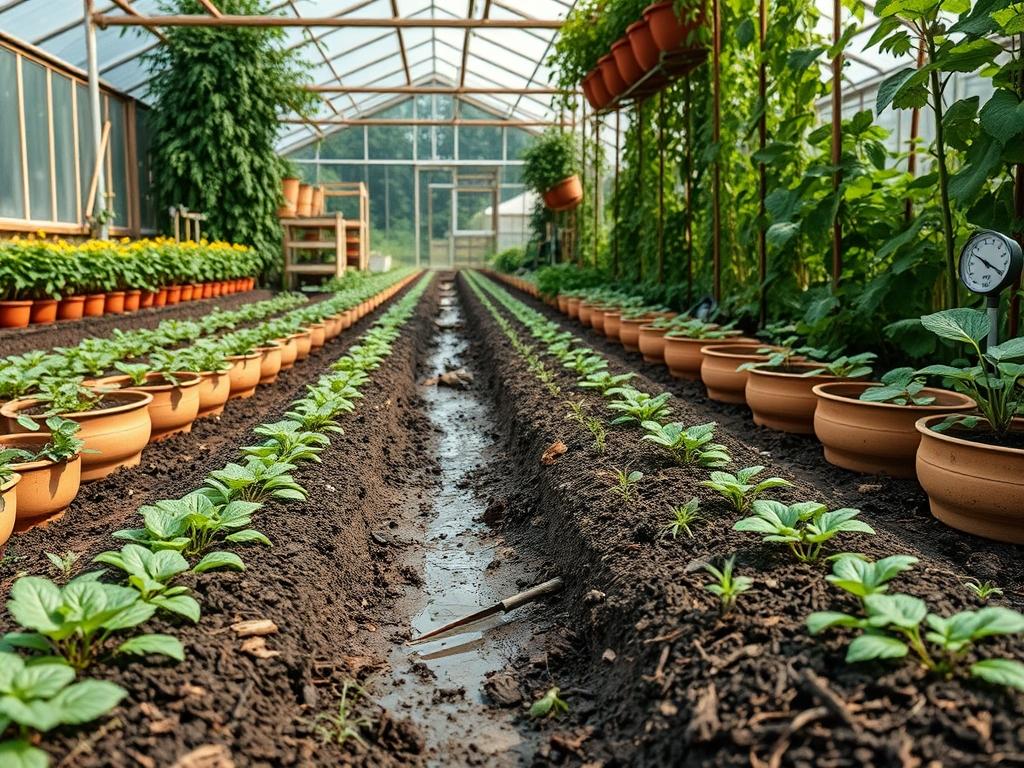
Developing a functional kitchen garden requires more than just high quality seeds and fertile soil; it demands a comprehensive understanding of the ecosystem surrounding your vegetable rows. In professional landscape architecture, we view the garden as a series of interacting layers where topography, moisture levels, and biological activity converge. One of the most persistent challenges in high end residential and commercial edible landscapes is the presence of ants in vegetable rows. While ants themselves are not usually direct consumers of foliage, their presence often indicates underlying environmental imbalances or the arrival of secondary pests. Uncontrolled ant colonies can compromise the structural integrity of raised beds, disrupt delicate root systems through extensive tunneling, and even protect aphid populations that decimate yields. A well-designed landscape anticipates these issues by creating a less hospitable environment for colonies while maintaining the aesthetic appeal and productivity of the outdoor space.
Integrating pest management into the initial site plan ensures that the garden remains a serene focal point of the property rather than a source of frustration. For the modern homeowner, “curb appeal” extends to the backyard or side yard where vegetable production often occurs. A row of vegetables infested with mounds of soil and swarms of insects can quickly detract from a clean, architectural aesthetic. By considering the climate, especially the heat retention of hardscapes and the drainage patterns of the soil, we can engineer a garden that naturally discourages ants from establishing permanent residencies in the middle of your crops. This professional approach prioritizes long-term ecological stability over temporary chemical fixes, ensuring your outdoor environment remains a healthy place for both plants and people.
Landscape Design Principles
Successful prevention of ants in vegetable rows starts with the application of foundational landscape design principles. Symmetry and clean lines are not just for visual satisfaction; they facilitate easier monitoring. When rows are laid out in a logical, symmetrical pattern with clearly defined borders, any new ant activity becomes immediately obvious. This allows the property manager to address a small mound before it expands into a subterranean network. We often suggest using focal points such as ornamental birdbaths or specific sculptural elements to draw the eye away from functional areas, but the functional paths themselves must be designed to interrupt insect migration.
Elevation layers play a critical role in ant management. By using raised garden beds, you create a physical vertical barrier that ants must traverse. Incorporating a slight slope or grading of 2 percent for the surrounding terrain ensures that water does not pool near the base of these beds. Ants are frequently attracted to the hyper-localized microclimates found at the intersection of dry soil and moist irrigation zones. Strategic irrigation planning, specifically the transition from broadcast spray to precise drip irrigation, minimizes the amount of attractive damp surface area available to foragers. Furthermore, using wide walkways made of compacted crushed stone or decomposed granite acts as a thermal and physical buffer. These materials can reach temperatures that deter ants during peak daylight hours, effectively isolating the vegetable rows.
Plant and Material Selection
Selecting the right biological and structural components is essential for a resilient vegetable row design. The following table identifies plants and materials that serve as both aesthetic enhancements and functional deterrents.
| Plant or Material Type | Sun Exposure | Soil Needs | Water Demand | Growth Speed | Maintenance Level |
| :— | :— | :— | :— | :— | :— |
| Peppermint | Full Sun / Part Shade | Rich, moist loam | High | Rapid | Medium |
| French Marigolds | Full Sun | Well-drained | Moderate | Medium | Low |
| Common Tansy | Full Sun | Poor to average | Low | Rapid | Low |
| Rosemary | Full Sun | Sandy, well-drained | Low | Slow to Medium | Low |
| Catnip | Full Sun / Part Shade | Sandy, dry | Low | Rapid | High |
| Diatomaceous Earth| N/A | Dry Surface | N/A | N/A | High (Reapply) |
While the plants listed above provide aromatic barriers that confuse ant scouts, the materials used for pathing and edging are equally vital. Using cedar mulch in the areas surrounding the vegetable rows can help, as the natural oils in cedar are repellent to many terrestrial insects. However, inside the rows, the focus should be on soil health to prevent the conditions that attract ants in the first place.
Implementation Strategy
The process for laying out vegetable rows with ant prevention in mind begins with a site survey. First, assess the grading of the land. Clear any existing debris and ensure the sub-grade is compacted enough to prevent settling but porous enough for drainage. If you are building raised beds, use pressure-treated wood (rated for ground contact) or natural cedar with a minimum thickness of 2 inches. This thickness provides a thermal buffer and prevents the wood from warping, which would otherwise create narrow crevices for ants to nest.
Once the beds or rows are defined, install a heavy-duty 6-gauge steel or aluminum edging around the perimeter. This edging should be buried at least 4 inches deep to prevent ants from easily tunneling underneath. For the soil composition, use a mix that is high in organic matter but includes a component of horticultural sand to maintain drainage. Ants thrive in compacted, undisturbed soil; therefore, ensuring your soil has a crumbly, well-aerated texture makes it less ideal for nesting.
When applying mulch within the rows, maintain a depth of no more than 3 inches. Excessive mulch thickness can trap moisture against the stems of vegetables, attracting pests like aphids and the ants that farm them. For irrigation, install half-inch drip lines directly at the base of the plants. This keeps the foliage and the bulk of the soil surface dry, removing the water source that ants require for a healthy colony. Finally, consider a perimeter spray of essential oils or a thin barrier of silica-based dust around the legs of raised beds or the outer edge of the rows to provide a final line of defense.
Common Landscaping Failures
One of the most frequent errors in garden planning is poor drainage. Landscaping projects that do not account for runoff often result in saturated soil zones directly adjacent to bone-dry patches. This gradient is the ideal habitat for many species of ants. If the soil stays too wet, it can also lead to root rot, which stresses the plant. Stressed plants are magnets for aphids, and since ants “farm” aphids for their honeydew, a drainage problem becomes an ant problem almost overnight.
Another failure is root overcrowding. When vegetables are spaced too closely, airflow is restricted. This creates a humid, dark environment at the soil level that protects ants from predators and the sun. Proper spacing, following the specific requirements for each cultivar, is a fundamental design necessity. Soil compaction is a third common issue. In many high-traffic landscapes, the soil between rows becomes packed down like concrete. This forces ants to move into the loose, fluffy soil of the vegetable rows themselves where they find it easier to dig. Using designated walkways and “no-dig” gardening techniques can mitigate this environmental pressure.
Finally, the improper use of organic fertilizers can inadvertently attract ants. High-nitrogen fish emulsions or certain bone meals have strong odors that can act as beacons for foragers. Architects should recommend slow-release, granular organic fertilizers that are worked into the soil rather than left on the surface, which reduces the scent profile available to the colony.
Seasonal Maintenance
Seasonal shifts require different tactical approaches to keep ants out of your vegetable rows. In the Spring, focus on site preparation. Clear all leaf litter and old mulch where colonies might have over-wintered. This is the best time to apply a preventative barrier of diatomaceous earth around the perimeter of the garden before the first spring rains. Check all irrigation lines for leaks, as even a small pinhole leak can create a “watering hole” for a local nest.
During the Summer, monitoring becomes the priority. Inspect the undersides of leaves for aphids or scale insects. If you see ants climbing the stems of your peppers or tomatoes, they are likely tending to a herd of sap-sucking insects. Use a strong stream of water to knock the pests off, then apply a sticky barrier or insecticidal soap to the stems to break the ant highway. Ensure that the 3-inch mulch layer is still breathable and not becoming a solid mat.
In Autumn, the goal is cleanup. Remove all spent vegetable plants and turn the soil top few inches lightly to disrupt any late-season nesting attempts. This is also the time to refresh the gravel or stone in your walkways. Removing the “bridges” provided by tall weeds or overgrown lawn grass at the edges of the rows will prevent easy access for ants as the weather cools.
In Winter, maintenance is primarily structural. Inspect your raised beds for cracks or rot. Repairing these gaps now prevents them from becoming entry points in the spring. If you live in a climate where the ground does not freeze hard, you may still see some ant activity; keep the garden area clear of any debris to ensure there is no protected cover for them.
Professional Landscaping FAQ
Does wood mulch attract ants into my vegetable rows?
Large piles of damp mulch can provide a nesting site. To prevent this, use cedar mulch and limit the depth to 3 inches. Keep a small gap between the mulch and the base of your plants to discourage foragers.
Can irrigation timing help with ant control?
Yes. Watering early in the morning allows the surface soil to dry during the day. Since ants prefer moisture and shade, a dry soil surface by late afternoon makes the vegetable rows much less attractive for scouting parties.
Are raised beds more effective than in-ground rows for ants?
Raised beds offer a structural advantage. By using metal or wood walls, you create a barrier that can be treated with organic repellents. It also allows you to control soil compaction, making it easier to disrupt nests.
Will planting mint really stop an ant infestation?
Mint and other aromatic herbs like rosemary act as a deterrent rather than a total barrier. They confuse the ants’ scent trails. While they help, they should be used as one part of a multi-layered landscape design strategy.
How does soil “grading” affect insect populations?
Proper grading prevents localized flooding. Low spots in a landscape collect water and organic debris, creating a high-resource environment for ants. A consistent 2 percent slope keeps the area dry and easier to manage.